Pages
- About the Content
- About Us
- Costa Rica Property Law – Squatter’s vs. Landowner’s Rights
- RSS Costa Rica Real Estate
Categories
Archives
- July 2010
- May 2010
- March 2010
- February 2010
- January 2009
- December 2008
- November 2008
- October 2008
- September 2008
- August 2008
- July 2008
- June 2008
- May 2008
- April 2008
- March 2008
- February 2008
- January 2008
- December 2007
- November 2007
- October 2007
- September 2007
- August 2007
- July 2007
- June 2007
- May 2007
- April 2007
- March 2007
- February 2007
- January 2007
- December 2006
- November 2006
- October 2006
- September 2006
- August 2006
- July 2006
- June 2006
- May 2006
- April 2006
- March 2006
- February 2006
- January 2006
- December 2005
- November 2005
- October 2005
- September 2005
- August 2005
Meta
Autor: AE Costa Rica Real Estate Content Writer
~ 12/05/10
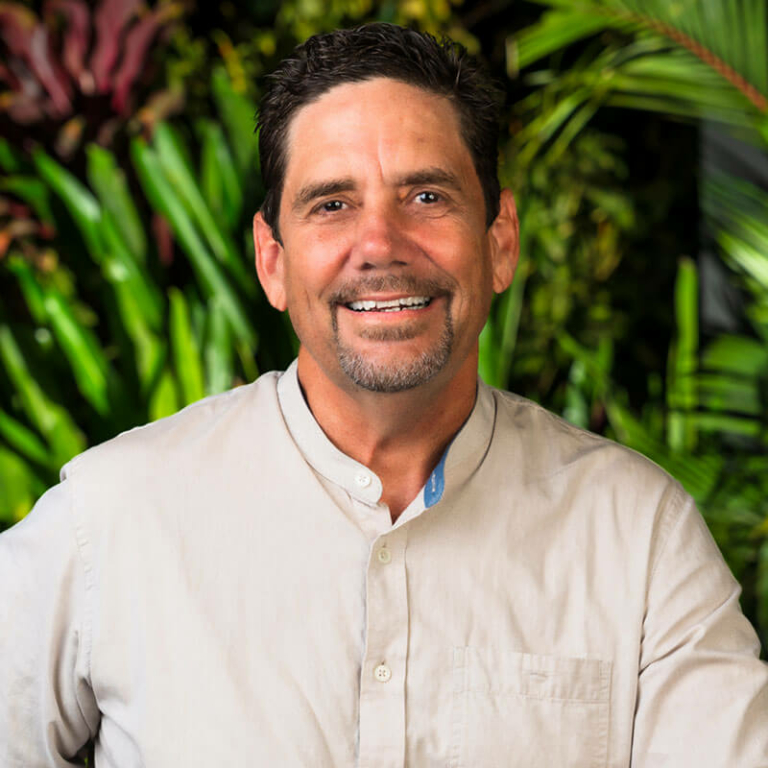
By Daveed Hollander of Coldwell Banker Vesta Group Dominical
The dream of owning property in Costa Rica is alive and well. Excellent values abound for both raw land and built product. Buyers from many countries continue to find what they are looking for and to make good lives for themselves here.
I’ve seen thousands of people come and go in Costa Rica. Some have smoother experiences finding their ideal places than others do.
What makes the difference between heartache and satisfaction in the property-buying process? Taking your time to gather information is a key to success. Tempting though it may be, don’t rush into any purchases without all the information.
Here are a few tips, distilled from my 13 years’ experience as a real estate broker in Costa Rica:
Work with a reputable Realtor. This point cannot be over-emphasized. Naïve buyers who listen to sales pitches from taxi drivers, casual acquaintances and amateurs are in for trouble. Everybody knows of property for sale, yet few are qualified to help the buyer successfully complete a real estate transaction, except for reputable Realtors. Many U.S. real estate companies have offices in Costa Rica. And there are many independent real estate companies with long track records. When you find the area where you want to buy, ask around for recommendations for the top Realtors. Don’t work with amateurs or inexperienced operators.
Autor: AE Costa Rica Real Estate Content Writer
By John Wieland of Coldwell Banker Vesta Group Dominical
When I first moved to Costa Rica in 2004, my wife and I would walk the beach nearly everyday. One morning I had a feeling of being transported back to that 70’s tv show, Gilligan’s Island when I found myself watching a man climb up a palm tree, knock down a few coconuts, cut the top and then drink the liquid inside. It seemed so alien yet exotic and it brought a bit of childhood nostalgia back. It reminded me of those countless episodes when Gilligan would be lounging on the beach and coconuts would be falling on his head waking him out of his languishing dreamy state.
(more…)
Autor: AE Costa Rica Real Estate Content Writer
~ 24/03/10
It is no secret that Costa Ricans are some of the happiest people on earth. And no wonder they are so happy, they live in paradise! With a gorgeous climate, beautiful scenery, fresh fruits and vegetables all year long, and lots of fun places to explore, who wouldn’t be!
This is the country of peace, and more biodiversity than almost anywhere else on the planet. You can wake up and see the sunrise in Limon on the Caribbean side of the country, and drive to the Pacific for the sunset!
So for those of you who plan to buy real estate in Costa Rica, or are thinking of relocating to this tropical treasure, I’m sure you are wondering how you can tap into this Pura Vida feeling. I think there are four important aspects to being happy here. The first and most important is to try to communicate with the Ticos. Even if you are not fluent in Spanish, if you try, it will be appreciated. Once you can start talking to the Ticos, you get in on all the secrets of this beautiful country.
Autor: AE Costa Rica Real Estate Content Writer
~ 16/03/10
Purchasing land for sale in Costa Rica is a good investment: prices are reasonable, the laws are clear and many areas have great potential for growth in the near future. However, as with purchasing any land for sale, you should know what the law in Costa Rica is and how to protect yourself. The most basic protection you can have is to work with a reputable realtor. He or she will help you avoid an inappropriate purchase, help you negotiate a fair bargain, and help you find a property suitable to your needs, lifestyle and budget. Your American-European broker will guide you through the process described below.
Costa Rica Land: the title transfer process of land for sale
In Costa Rica, the seller transfers land to the buyer by executing a transfer deed (escritura) before a notary public. Unlike common law countries, such as the United States and Canada, in Costa Rica the notary public has extensive powers. The notary public must be an attorney and may draft and interpret legal documents, as well as authenticate or certify the authenticity of documents.
In order to close on the property, the buyer and seller must select a notary/attorney who will draft the transfer deed and register the sale in the Public Registry (Registro Nacional). Locally it is customary for the buyer to select the notary/attorney who will draft the transfer deed if paying cash for the property.
If the purchase price is financed, there are 3 options for selecting the notary/attorney:
* If the seller is financing a large percentage of the purchase price and a mortgage needs to be drafted to guarantee payment, then the seller may request that her or his notary/attorney draft the transfer deed.
* If a property is purchased 50 percent cash and 50 percent financed, it is common for the buyer’s attorney and seller’s attorney to jointly draft the transfer deed and mortgage in a single document.
* Finally, the buyer may insist that his or her notary/attorney draft the transfer deed and let the seller’s notary/attorney draft a separate mortgage instrument. In this case, because the mortgage is being drafted separately, it carries a higher registration fee.
Autor: AE Costa Rica Real Estate Content Writer
It is no secret that Costa Ricans are some of the happiest people on earth. And no wonder they are so happy, they live in paradise! With a gorgeous climate, beautiful scenery, fresh fruits and vegetables all year long, and lots of fun places to explore, who wouldn’t be!
This is the country of peace, and more biodiversity than almost anywhere else on the planet. You can wake up and see the sunrise in Limon on the Caribbean side of the country, and drive to the Pacific for the sunset!
So for those of you who plan to buy real estate, or are thinking of relocating to this tropical treasure, I’m sure you are wondering how you can tap into this Pura Vida feeling. I think there are four important aspects to being happy here. The first and most important is to try to communicate with the Ticos. Even if you are not fluent in Spanish, if you try, it will be appreciated. Once you can start talking to the Ticos, you get in on all the secrets of this beautiful country.
Don’t be shy, or afraid. Anyone who has struggled to learn a foreign language knows how scary and uncomfortable it is to go into a store, or to ask directions with no idea how to speak the language, hang in there, it will be worth it.
Part of adjusting to living in another country is also to learn something about the culture. Costa Ricans are a very friendly generous culture, but they are also private, and you may not get the full effect of your Costa Rican friends months, or even years after you meet. The more you know about the culture, the less likely you are to offend someone.
Most Ticos are fairly understanding of gringo ways, but mostly in the Central Valley where the people are more educated. Bottom line, try not to offend, it is rude to walk into someone’s house and start bossing them around, telling them what to do, it is also rude to do that in someone else’s country!
Third on our list is to be smart. While in general Ticos are Pura Vida, there are some bad ones out there, and they are looking to take advantage. When you are buying real estate, use a realtor you trust, and a lawyer who has been recommended by someone you trust. Every day properties are bought and sold without proper registration, taxes paid, and even without the possibility of ever building on the land.
Trust your real estate professional to not let that happen to you. Same thing goes for repairs and general work. If you pay your gardener to paint your house, don’t be surprised if he does a poor job.
The last is something that you will probably never get used to, waiting. Nothing happens quickly here; accept that, the sooner you do, the happier you will be. You will wait in line at the electric company, you will wait for a phone, and you will wait for just about everything. But that is one thing that most of us were trying to escape, the hustle and bustle, so relax, study your Spanish dictionary, enjoy the great weather, and remember don’t fight it, or you will not be happy!
You can’t change Costa Rica, you have to learn to slide into its rhythm. Once you do, you will feel more relaxed, and you will be able to tap into that Pura Vida feeling!
By Brooke Bishop. Naranjo & Grecia of GoDutch Realty
Autor: AE Costa Rica Real Estate Content Writer
~ 27/02/10
Purchasing land for sale in Costa Rica is a good investment: prices are reasonable, the laws are clear and many areas have great potential for growth in the near future. However, as with purchasing any land for sale, you should know what the law in Costa Rica is and how to protect yourself. The most basic protection you can have is to work with a reputable realtor. He or she will help you avoid an inappropriate purchase, help you negotiate a fair bargain, and help you find a property suitable to your needs, lifestyle and budget. Your American-European broker will guide you through the process described below.
Costa Rica Land: the title transfer process of land for sale
In Costa Rica, the seller transfers land to the buyer by executing a transfer deed (escritura) before a notary public. Unlike common law countries, such as the United States and Canada, in Costa Rica the notary public has extensive powers. The notary public must be an attorney and may draft and interpret legal documents, as well as authenticate or certify the authenticity of documents.
In order to close on the property, the buyer and seller must select a notary/attorney who will draft the transfer deed and register the sale in the Public Registry (Registro Nacional). Locally it is customary for the buyer to select the notary/attorney who will draft the transfer deed if paying cash for the property.
If the purchase price is financed, there are 3 options for selecting the notary/attorney:
* If the seller is financing a large percentage of the purchase price and a mortgage needs to be drafted to guarantee payment, then the seller may request that her or his notary/attorney draft the transfer deed.
* If a property is purchased 50 percent cash and 50 percent financed, it is common for the buyer’s attorney and seller’s attorney to jointly draft the transfer deed and mortgage in a single document.
* Finally, the buyer may insist that his or her notary/attorney draft the transfer deed and let the seller’s notary/attorney draft a separate mortgage instrument. In this case, because the mortgage is being drafted separately, it carries a higher registration fee.Land for sale in Costa Rica: Ways to own property
Property can be purchased in one person’s name, jointly, or in the name of a corporation. It is very common in Costa Rica for individuals to put property in the name of a corporation in which they own all the shares. You should discuss this asset protection with your accountant and attorney so that you will be informed of the tax implications in your individual situation.Costa Rica Land: Checking for Clear Title
Costa Rican law requires that all documents relating to an interest and/or title to real property be registered in the property section of the Public Registry (Article 460 of the Civil Code). Most properties have a titled registration number known as the Folio Real, and the records database can be searched with this number or by name index. The web site for the National Registry is www.registronacional.go.crThe registry report (informe registral) provides detailed information on the property, including the name of the title holder, boundary lines, tax appraisal, liens, mortgages, recorded easements, and other recorded instruments that would affect title. Since Costa Rica follows the doctrine of first in time, first in right, recorded instruments regarding land for sale presented to the Public Registry are given priority according to the date and time in which they are recorded. For purpose of the transfer of real estate, this means that any mortgages or liens, which are not recorded at the time that title is transferred, are invalid. Since the certificate of title issued by the Public Registry is prima facie evidence of the condition of title on the date issued, any instrument not recorded at the time the certificate is issued is invalid. This eliminates the need for title insurance since any instrument omitted from the report is deemed invalid.
Obviously, every situation differs and in some cases a review of the Public Registry record will not be enough to uncover all encumbrances. That is why it is important that the buyer have her or his own attorney conduct an independent title search and investigation rather than rely on the seller’s attorney. And some buyers feel more comfortable purchasing title insurance, in which case the title guaranty company will take care of the search.